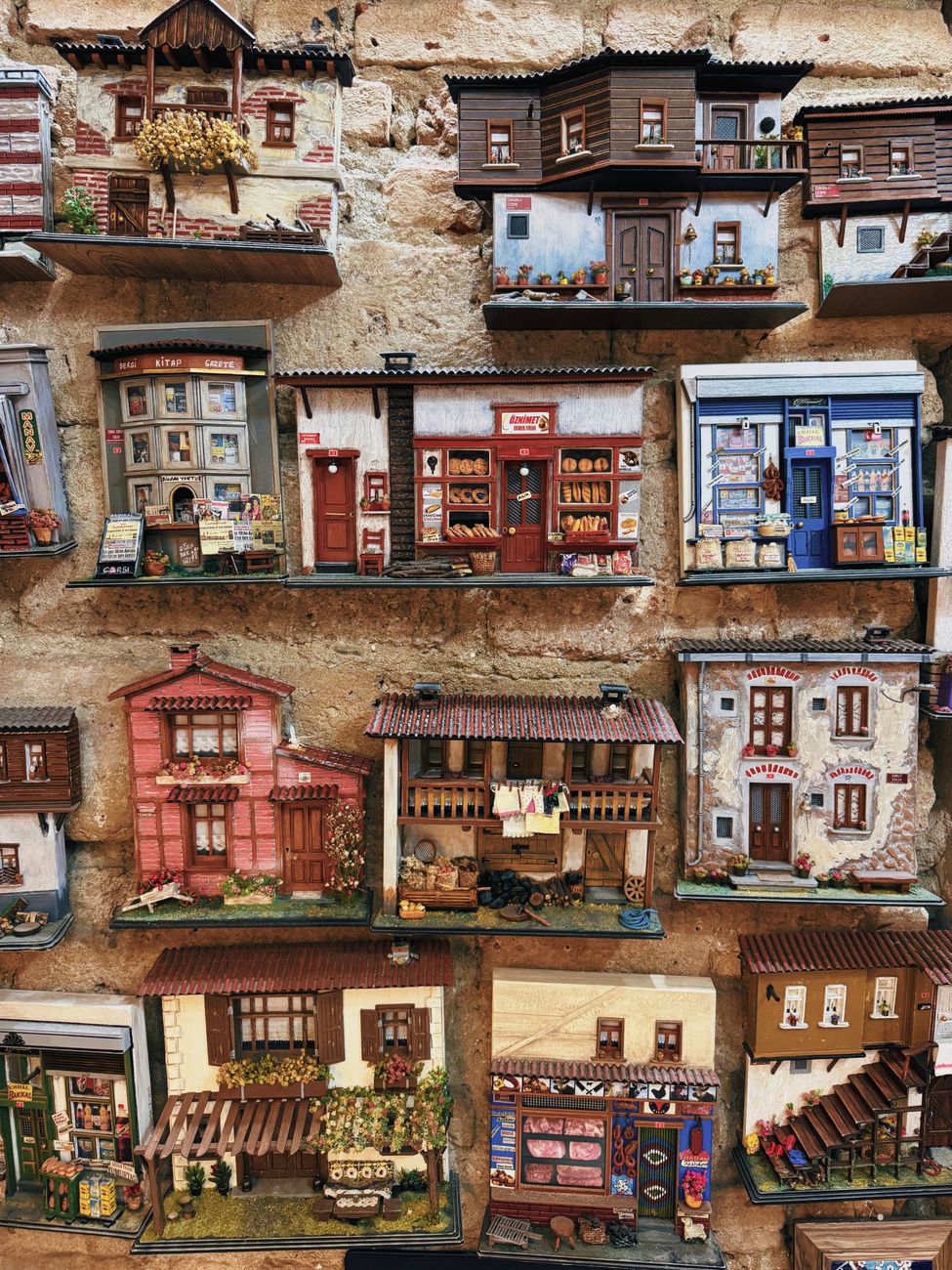
Every now and then you pick up a book expecting one thing and end up taking something completely different away from it. The Museum of Second Chances by Jo Leevers was exactly that sort of read for me. I thought I was settling down with a heartwarming story about memories and nostalgia, but instead I found myself thinking about my own childhood, the strange things we choose to treasure, and how the smallest objects can unlock memories we thought we’d forgotten forever.

The premise of a museum dedicated to personal memories is wonderful. It’s such a simple idea, yet one that feels surprisingly magical. Throughout the book I couldn’t help imagining what my own museum would look like. Would it have my favourite childhood toy? That battered teddy that somehow survived years of being dragged around everywhere? Perhaps the first cassette tape I ever owned, or the slightly wonky mug I painted at school that my parents proudly displayed for far longer than artistic merit deserved. It made me smile thinking about the ordinary objects that become extraordinary simply because of the memories attached to them.
If someone handed me the keys to a room where I could wander around looking at items from my own childhood, I’m not entirely sure I’d ever leave. I’d probably spend hours laughing at questionable fashion choices, wondering why every photograph seemed to feature haircuts that should never have been allowed, and asking myself why we all thought luminous shell suits were perfectly acceptable. The book captures that feeling beautifully—that memories aren’t just stored in our minds but somehow become attached to everyday possessions.
One of the strongest parts of the novel is undoubtedly the characters. Jo Leevers has created people who feel believable and relatable, each carrying emotional baggage, hopes, regrets and dreams. I found myself caring about what happened to them quite quickly, and that’s always a sign of good writing. Their conversations felt natural, and even when they were dealing with difficult situations, there were moments of warmth and humour that stopped the story from becoming too heavy.
The emotional depth of the characters also helped explore one of the novel’s central themes: that everyone has a story. It’s very easy to judge people by what we see on the surface, but this book gently reminds us that every person carries memories, experiences and struggles that have shaped who they are. That message stayed with me long after I’d finished reading.
One thing I did find slightly difficult, however, was the sheer number of different backgrounds, cultures and life experiences represented in the story. I completely appreciated what the author was trying to achieve, and in many ways it reflected the diversity of modern life. However, because the setting is a relatively small seaside village, I occasionally found myself thinking, “Really? All here?” It stretched my suspension of disbelief just a little.

There’s absolutely nothing wrong with diversity in fiction—in fact it’s something I enjoy—but for me it simply felt as though there were perhaps one or two storylines too many competing for attention. At times I wanted the book to slow down and spend a little longer with certain characters rather than introducing yet another perspective. That’s a very personal opinion, though, and other readers may enjoy the broad range of experiences that the novel presents.
What impressed me most was just how many subjects Jo Leevers managed to weave into a single novel. I honestly don’t think I’ve ever read a book that touched on so many different themes without completely losing its way. Family relationships, grief, identity, belonging, forgiveness, love, loss, community and the importance of memories are all explored with sensitivity. Lesser writers might have struggled to balance so many topics, but Leevers somehow manages to keep the story moving while giving each issue enough emotional weight.
That said, I did occasionally feel as though I was attending the world’s busiest emotional buffet. Every few chapters another important issue appeared and I found myself thinking, “Goodness, we’re covering that as well!” It became almost amusing trying to guess what subject might appear next. Thankfully, the writing is strong enough that it never feels preachy, and each topic is handled with kindness rather than heavy-handedness.
The writing style itself is warm, accessible and engaging. The descriptions create vivid images without becoming overly long, and the pacing generally keeps the pages turning. I found myself wanting to know what would happen next, particularly as the various characters’ stories gradually connected together.
The museum itself almost becomes a character within the novel. It’s more than just a building; it’s a place where memories are preserved, where people confront their pasts, and where healing becomes possible. It’s difficult not to fall in love with the concept. Imagine if such a place really existed. I suspect there would be queues stretching around the block, with everyone clutching some old football programme, faded photograph, concert ticket or chipped china ornament that nobody else would understand but which meant the world to them.
Reading this book also reminded me that memories are funny things. You can completely forget an event for years, only for the smell of old books, the sound of an ice cream van, or the sight of an old toy to bring everything rushing back in an instant. That’s exactly what this novel celebrates—that remarkable ability of ordinary objects to carry extraordinary emotional significance.
Overall, The Museum of Second Chances is a thoughtful, emotional and original novel that offers far more than its title initially suggests. While I personally felt the range of backgrounds and storylines occasionally stretched credibility within the setting of a small seaside village, I admired the ambition behind it. The characters were engaging, the writing was heartfelt, and the central idea stayed with me long after I turned the final page.
Most importantly, this is a book that made me reflect on my own life. It had me thinking about childhood, treasured possessions, and the memories we carry with us even when we don’t realise they’re there. Any book that sends you rummaging mentally through your own past—and perhaps even into the loft looking for that old teddy or faded photograph—has surely done something right.
I would happily recommend The Museum of Second Chances to readers who enjoy character-driven fiction with emotional depth, gentle humour and plenty to think about. It may ask us to believe a little more than we normally would, but in return it offers warmth, compassion and a reminder that everyone deserves, if not a second chance, then at least the opportunity to be remembered.




Leave a Reply