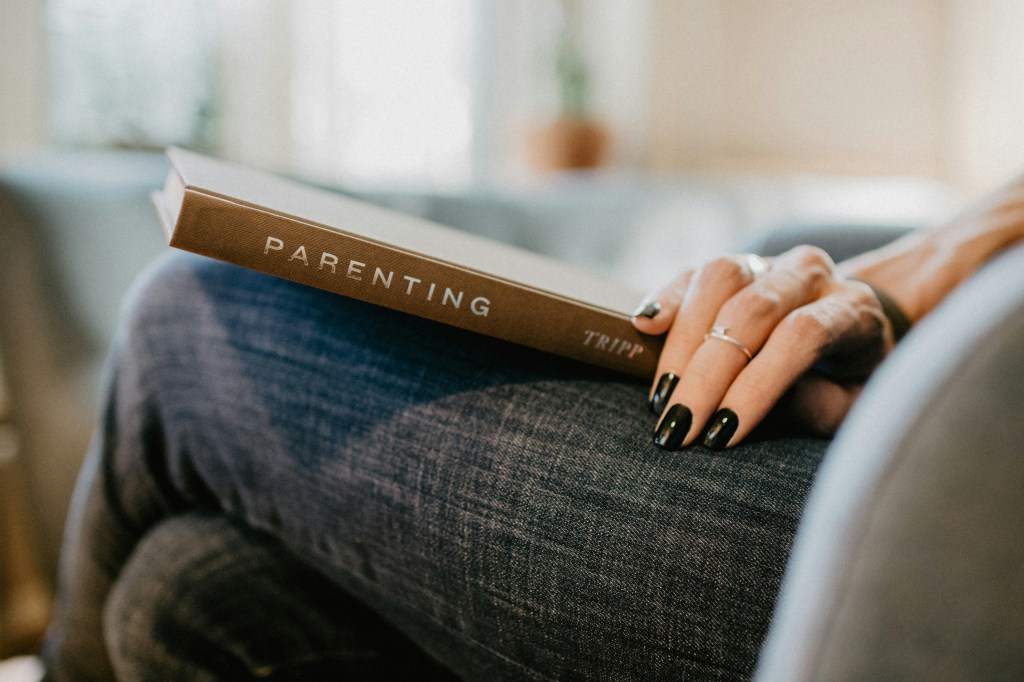
Parenting is a rewarding journey filled with joy, challenges and learning experiences. Striving to be a successful parent involves understanding the balance between setting boundaries and offering support, nurturing independence while providing guidance and knowing when to step in and when to let go. Here are 12 dos and don’ts for being a Successful parent.
Do…
Communication
Open communication is the cornerstone of a healthy parent child relationship. Encourage your children to express their thoughts and feelings without fear of judgment. Listen actively and empathetically to what they have to say. This builds trust and helps children feel valued and understood.
Boundaries
Children need boundaries to feel secure and understand expectations. Set clear, consistent rules and explain the reasons behind them. Consistency helps children know what to expect and understand the consequences of their actions.

Independence
Encouraging independence fosters confidence and self reliance. Give your children age appropriate responsibilities and allow them to make choices. Support them in learning new skills and solving problems on their own.
Show Unconditional Love
Expressing unconditional love is crucial for your child’s emotional well being. Show them affection regularly and remind them that your love is not dependent on their achievements or behaviour.
Behaviour
Children learn by observing their parents. Model the behaviour you want to see in your children. Show kindness, respect, patience and integrity in your daily interactions.
Quality Time
Spending quality time with your children strengthens your bond and helps you understand their needs and interests. Engage in activities they enjoy, whether it’s playing games, reading together or simply talking about their day.

Their Interests
Encourage your children to pursue their passions and interests. Provide opportunities and resources for them to explore hobbies, sports or creative activities.
Mindset
Encourage a growth mindset by praising effort and perseverance rather than innate ability. Teach your children that challenges and failures are opportunities for learning and growth.
Environment
Ensure your home is a safe haven where your children feel secure and loved. Provide a nurturing environment that supports their physical, emotional and intellectual development.
Empathy and Compassion
Foster empathy and compassion by teaching your children to understand and respect others’ feelings. Encourage acts of kindness and model empathetic behaviour in your interactions.
Work-Life Balance
Strive for a balance between work and family life. Prioritise your time to ensure that you’re present for your children’s important moments and daily activities.
Don’t…
Dismiss Feelings
Avoid dismissing or trivialising your child’s emotions. Phrases like “You’re overreacting” or “It’s not a big deal” can make children feel invalidated. Instead, acknowledge their feelings and offer support, even if you don’t fully understand their perspective.
Be Permissive
Being too lenient can lead to behavioural problems and confusion. Avoid saying yes to everything or neglecting to enforce rules. Children thrive on structure and need to learn that there are limits to their behaviour.
Be Overprotective
While it’s natural to want to protect your child, being overprotective can hinder their development. Avoid doing everything for them or shielding them from all challenges. Let them experience setbacks and learn from their mistakes.
Use Love as a Bargaining Tool
Never make your child feel that your love is conditional. Avoid using affection as a reward or withholding it as punishment. This can create insecurity and affect their self-esteem.

Be Hypocritical
Avoid saying one thing and doing another. If you set rules for your children, adhere to similar standards yourself. Inconsistencies between your words and actions can confuse children and undermine your authority.
Be Distracted
When spending time with your children, be present. Avoid distractions like checking your phone or thinking about work. Children can sense when you’re not fully engaged, which can make them feel undervalued.
Impose Your Interests
Avoid pushing your children into activities you prefer or forcing them to follow a path you envision for them. Respect their individuality and let them discover their own interests.
Practise Positive Discipline
Use positive discipline techniques to guide your children’s behaviour. Focus on teaching rather than punishing. Use natural consequences, set clear expectations, and reinforce good behaviour with praise.
Use Harsh Punishment
Avoid using harsh punishments or physical discipline. These methods can damage your relationship and have long-term negative effects on your child’s emotional health. Instead, opt for constructive methods that teach valuable lessons.
Criticise Mistakes
Avoid harsh criticism or focusing solely on outcomes. Negative reactions to mistakes can discourage children from trying new things and undermine their confidence.
Neglect Their Emotional Needs
Physical safety is crucial, but emotional safety is equally important. Avoid neglecting your child’s emotional needs or failing to provide the support and understanding they require.
Encourage Self-Centeredness
Avoid behaviours that promote self-centeredness or entitlement. Teach your children the value of considering others and the importance of contributing positively to their community.
Overwork at the Expense of Family Time
Avoid letting work consume all your time and energy. Long absences and lack of involvement in your children’s lives can lead to feelings of neglect and distance in your relationship.

Being a successful parent is about creating a balanced, supportive and loving environment where children can thrive. By following these dos and don’ts, you can build strong, positive relationships with your children and guide them towards becoming happy, confident and well-adjusted. Remember, parenting is a journey and it’s okay to seek help and advice along the way. Each child is unique and what works for one may not work for another. Stay flexible, keep learning and always prioritise your child’s well-being.




 annabelwrites.com
Leave a reply to The Art of Saying No Cancel reply