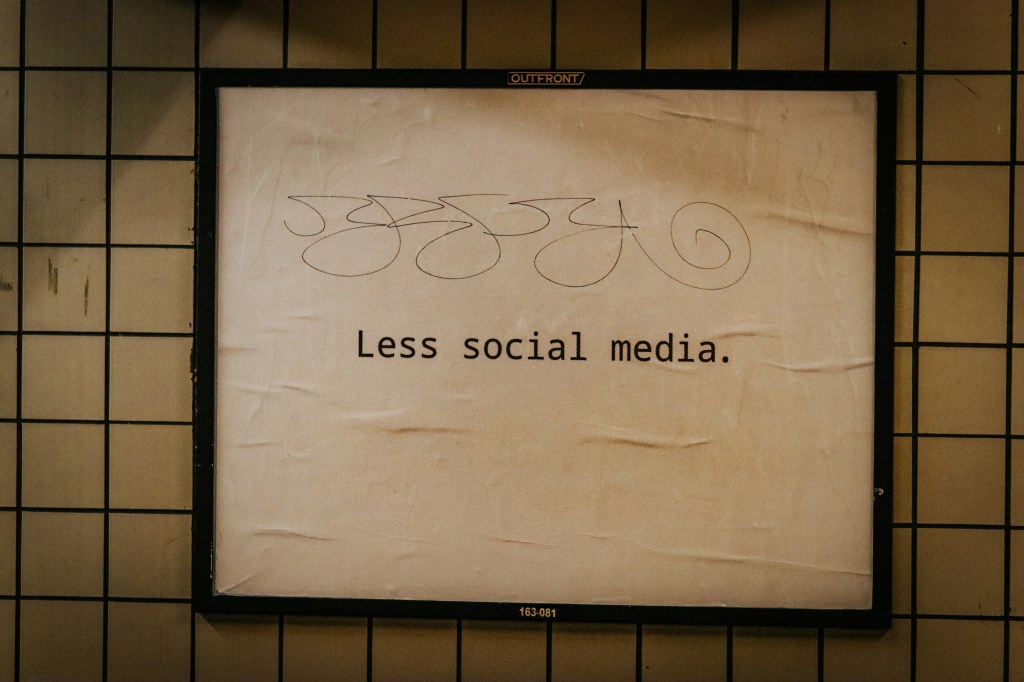
In 2026 social media is everywhere from Instagram feeds to TikTok trends and business marketing campaigns. But despite its ubiquity, many people are realising that you don’t need social media to succeed, stay informed or even maintain strong personal and professional connections. Choosing to step back from social platforms can have surprising benefits, both for your mental health and your productivity.
This guide explores why social media isn’t essential, the benefits of disconnecting, and alternative ways to stay connected and grow your personal or professional brand.
The Social Media Trap
Social media is designed to capture your attention. Algorithms prioritise posts that spark emotion, controversy or engagement, which can lead to:
- Time loss: Endless scrolling consumes hours without tangible results.
- Mental health impacts: Anxiety, comparison and digital burnout are common.
- Superficial connections: Likes and comments can feel like friendships, but often lack depth.
Many people feel pressure to maintain constant online presence, but this isn’t necessary to live a meaningful or successful life.

Why You Don’t Need Social Media
Here are some key reasons why opting out can actually be empowering:
1. Focus on Real Productivity
Without social media distractions, you can redirect time toward:
- Learning new skills
- Starting a business or side hustle
- Working on creative projects
- Spending quality time with family and friends
Research shows that people who limit social media use often report higher focus, better work performance and improved time management.
2. Better Mental Health
Studies consistently link heavy social media use to:
- Anxiety and depression
- Imposter syndrome and comparison
- Poor sleep habits
By stepping away, you reduce exposure to constant judgment, curated lifestyles and negative content, which can lead to greater mental clarity and emotional well-being.
3. Stronger Real-Life Relationships
Social media can sometimes replace real-life interactions with shallow connections. Disconnecting encourages you to:
- Spend quality time with loved ones
- Have in person conversations
- Build deeper, more meaningful friendships
These interactions foster genuine support networks that no app can replicate.

4. Privacy and Data Protection
Every social media platform collects personal data for advertising. By opting out, you reduce:
- Tracking of your online behavior
- Targeted ads and potential data misuse
- The pressure to share personal moments publicly
Maintaining your privacy can be liberating and safer in the long term.
5. Alternative Ways to Build Your Personal or Professional Brand
You don’t need social media to grow your influence or reach. Alternatives include:
- Blogging or websites: Build a home base you fully control
- Email newsletters: Engage directly with your audience
- Podcasts or YouTube channels: Share your expertise without algorithms controlling visibility
- Networking in-person or via professional platforms like LinkedIn
These methods can be more sustainable, effective and less stressful than social media platforms.
Challenges of Opting Out
While there are benefits, avoiding social media does come with challenges:
- Missed social trends or news: You may not see viral content or trending topics instantly.
- Professional networking limitations: Some industries rely heavily on social media for outreach.
- Social pressure: Friends, colleagues and family may expect you to engage online.
However, these challenges can be mitigated with simple strategies like newsletters, curated news apps, or selective professional networking.
Alternatives to Social Media for Connection and Growth
If you want to stay connected and informed without social media, consider these alternatives:
1. Email Newsletters
Curated newsletters let you receive updates from your favourite creators, businesses or communities directly in your inbox—without the distractions.
2. Community Forums
Platforms like Reddit, Discord servers, or industry-specific forums allow topic-focused discussion, often with less noise than social feeds.
3. Blogging or Personal Websites
Creating a website or blog lets you publish content on your terms. You can control your message, SEO and engagement, without being at the mercy of algorithms.
4. Podcasts and YouTube
Audio and video content are excellent ways to learn, connect or share your expertise. Unlike social media, you control when and how people engage with your content.
5. In Person Networking and Events
Nothing replaces human interaction. Workshops, conferences and local meetups can build trust, connections and opportunities that social media cannot replicate.
Tips for Thriving Without Social Media
- Be Intentional: Know why you’re stepping away and what you want to replace it with.
- Set Communication Boundaries: Use email, phone or direct messaging selectively.
- Track Your Goals: Focus on productivity, learning and personal growth.
- Curate Information Sources: Use RSS feeds, podcasts and newsletters to stay updated.
- Stay Social Offline: Maintain friendships and professional relationships through real-life interactions.
Real-Life Benefits Observed by Those Who Disconnect
People who reduce or quit social media often report:
- Increased free time for hobbies and learning
- Improved focus and creativity
- Reduced stress and anxiety
- Greater satisfaction with real-life relationships
- Enhanced privacy and control over personal information
In 2026, many professionals and creatives are choosing quality of life over constant online presence, proving that social media is optional, not mandatory.

Conclusion: Social Media is Optional, Not Essential
Social media can be a powerful tool for connection, marketing and entertainment, however it is not required to live a fulfilling, productive or successful life. By prioritising real relationships, intentional learning and personal growth you can thrive without constant digital distractions.
Opting out may feel unconventional, but it allows you to regain control over your time, mental health and personal information. In 2026, more people are realising that you don’t need social media you need focus, purpose and meaningful connection.




 annabelwrites.com
Leave a comment