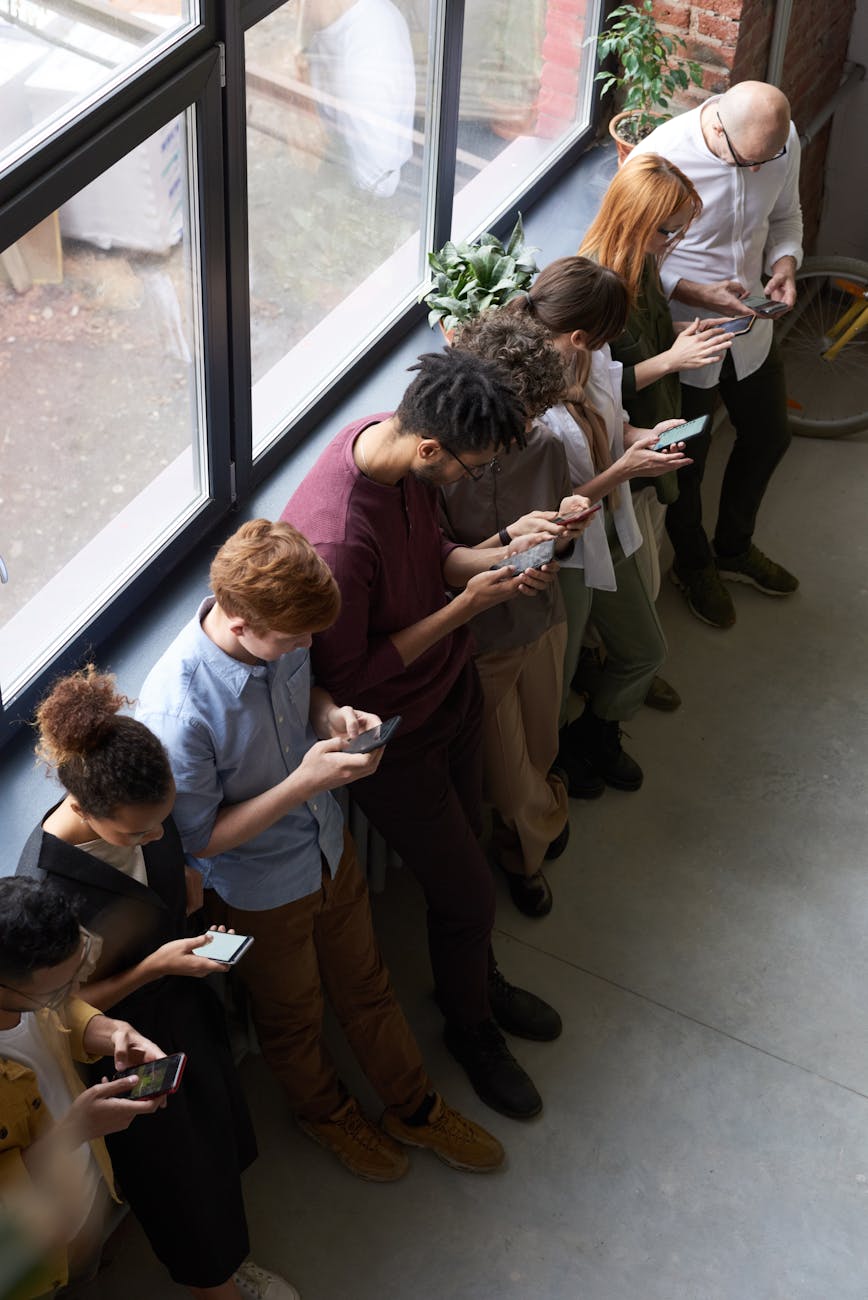
You either love it or hate it, I had moments with it when I’ve felt connected to those friends and family that I don’t see regularly. However more than often it’s affected my mental health. I feel in some respects I wish I’d not even bothered with it, because at one time it was a bit of innocent fun but now it’s become the route of all evil (as a friend recently said to me.)
I used to scroll through family updates thinking it kept us close. I kept seeing photos of birthday cakes I hadn’t tasted, photos I wasn’t part of, milestones I learned about only through captions. At the time, it felt like a small comfort. But looking back, I realise I was holding onto a digital version of a connection that no longer existed. I regret how long I let social media convince me I was included, even as I was being quietly pushed out. It gave me the illusion of closeness while hiding the reality of growing distance.
Are They Your Real Friends?
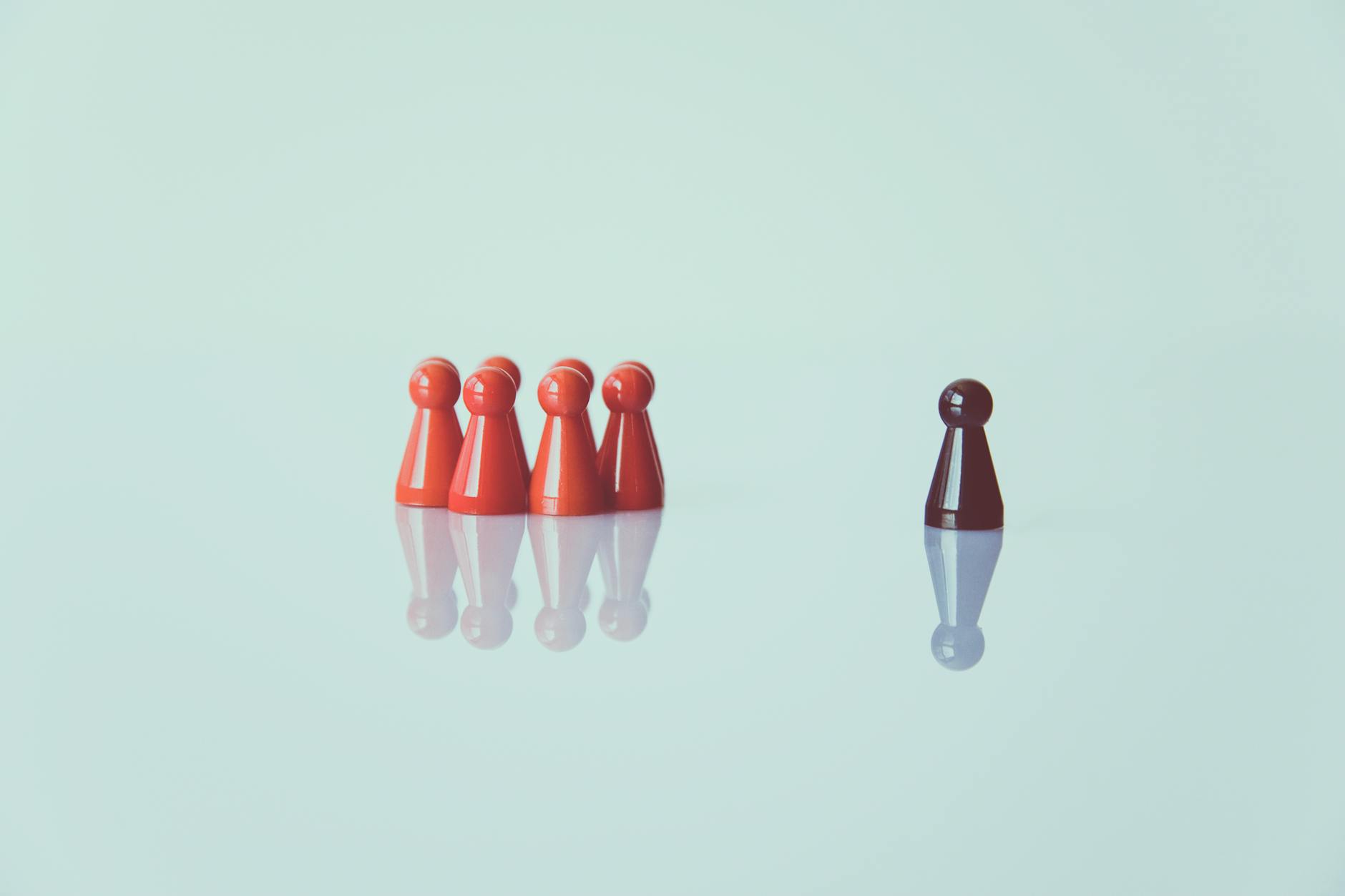
You could argue that seeing updates and sharing activities is making that connection, making friendship, I know I used to convince myself of this. It took me a while to realise that actually if they were friends we would be speaking to each other regularly and having that connection.
I had hundreds of people watching my stories, but not one message when I stopped posting for weeks. That silence taught me something: visibility isn’t the same as friendship. And just because someone reacts to your life doesn’t mean they’re really part of it.
The telltale signs that can give away when you’re not friends.
It’s when you have the connection because you have mutual friends but you don’t have a relationship with them. Or, if all you see and share is aesthetics, emojis and you feel pressured to maintain an image rather than a bond. These are classed as connections, I find myself wondering why they’re listed as friends when I never see them or I’ve only met them on occasion.
I started to message friends rather than comment on their photos or updates, it makes me feel closer to them which is helpful for me because I do have many friends and distant family that aren’t local.
The Benefits…
The one thing to me that stands out which is good about Social Media (and one in particular) is that you can get a great sense of community on there with people local to your area or those that share a hobby with you, this was concentrated during lockdown especially.
There is also the opportunities that you can get, people to meet, jobs to acquire or even relationships to be had.
Every Day Is a Learning Day
Have you ever been doom scrolling (yeah it’s a thing) and found a video of a great tip, or a way to do something you’ve always wanted to do? This is my favourite thing, I’ve learnt how to change a car tyre and how to take apart and clean a washing machine amongst other useful things. There is always something on there that can be learnt in every day life that can make your life easier, it’s just having to find it.
Keyboard Antagonist
There’s always one isn’t there, we’ve a couple on our local Facebook group in the village. They criticise and heckle online like a troll not caring who they take down and upset. These people would never do this in real life, just online because they’re hiding behind a screen. Unless you enjoy arguing (who even does) then I suggest ignoring them.
I’ve had my fair share of cyber bullying over the years, I thought it was normal for someone to comment on a post with a negative remark. I did actually think at one stage that it must happen to everyone and I just had to have thicker skin. These are the sort of things that should be reported and dealt with but not everyone is strong enough to deal with it.
Trolls don’t argue because they care—they argue because they can. They show up in your mentions like uninvited critics, lobbing sarcasm, cruelty, or just enough mockery to ruin your mood. They thrive on outrage, feeding off attention like it’s currency. And worst of all, they often hide behind anonymity, saying things they’d never dare speak aloud in real life.
Final Thought
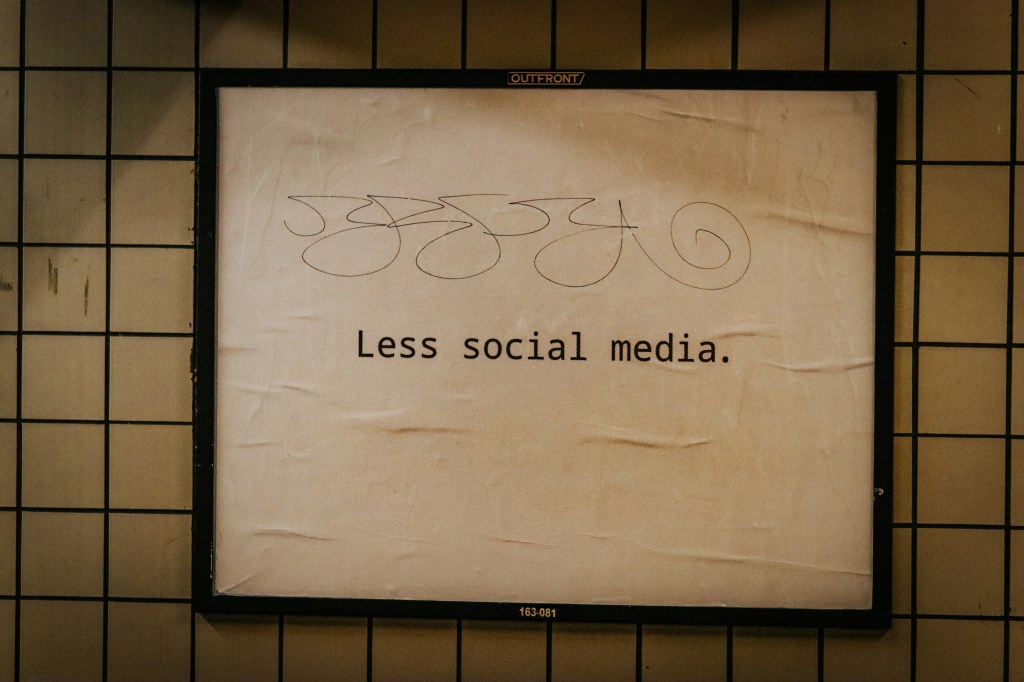
Social media offers connection, entertainment and a sense of belonging but it also comes with unpredictable emotional highs and lows. One moment, a post brings laughter or validation; the next, a scroll triggers comparison, rejection or loneliness. It feels like you’re surrounded by people, yet still isolated. Just keep this in mind when using it.
Social media isn’t inherently bad—but how we use it shapes its impact. When we stop chasing validation and start seeking balance, it becomes less of a rollercoaster and more of a tool we can control.
 annabelwrites.com
Leave a comment