
It is one of those things we as parents don’t like admitting. When our children are rude to us or even naughty for no reason. Is it for no reason? There are many other reasons they could be behaving like this. It is proven that children do ‘act out’ when they’re with their parents because they feel ‘safe’. They will lash out and tempers will rise at the slightest thing if there is no control over it. You can also say that personalities are different, some children can keep it more contained than others. But what if it isn’t contained and you don’t know what to do? In this post I am would like to show how to parent kind when your children aren’t.
Don’t compare
However easy it is, never compare your children’s behaviour with another child. Even if they’re in a similar situation. If you discover a family that has the same balance as yourselves, try and avoid having that conversation with them. Do not ask why their child is so well behaved, especially in front of the children. We all know that when they get home and you’re not in ear shot they probably will misbehave too.
I think every parent at some point in their parenting life wondered to themselves. ‘Why is that child who is the same age and same family situation better behaved than mine’. This is one of the worst things you can think to yourself.
Listen to them
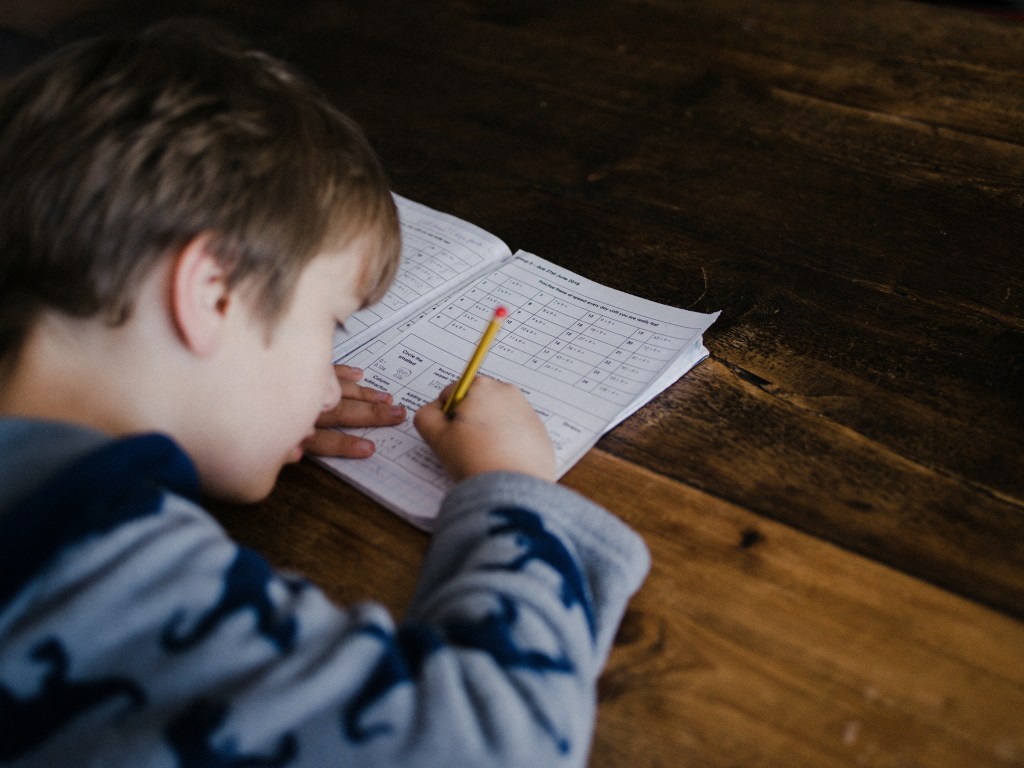
Watch their behaviour, as much as it is frustrating. It is hard to watch them getting upset or angry because the blocks will not balance or they cannot stay in the lines when colouring in. Is it frustration because they cannot make something work or is it because they feel everything isn’t working for them? Watch how they manage the situation, see how long they will go before they ask for help.
Some children want to do things themselves, however some parents get involved or do it for them. This can upset children even more because they have instantly lost their independence. Ask them what they would like to be done, maybe they need to have guidance. Try “why don’t you try another block, can you find the green one that will fit better?” Even suggest a break from it, going back to it in half an hour after doing something different.
Communicate
It is always best to be in regular contact with their school or nursery, which is the first obvious place to discuss any major issues. You should also communicate with your child, however when they’re younger that’s not always easy. Communicate through pictures when they’re younger or watching their favourite show can also prompt them to talk about things. “Look Dougie has fallen over, I’ve done that!”
If they’re a bit older start talking about your day and give them something to respond to. “Mummy today was upset because someone was being unfair.” This sometimes can prompt them to realise that they have something like this to talk about. Most of the time when you ask about their day, the response is “I can’t remember” or “it’s secret”. This is generally because they either cannot remember or they like having something to themselves. However as long as they’re happy I would advise not to push them, it does give them a sense of independence. Besides if there was a problem speaking to their teachers or the early learning staff you could find out.

Ignore and distract
It is so easy to get caught up in the moment, shouting back to them or getting angry with them. But this is such a counteractive way of dealing with it. If you shout they will either shout back and inevitably they will shout louder and get angrier.
However, it is more effective after accepting why they’re angry to distract them. With another toy or starting to talk about something different. It also must be remembered that the situation will need to be addressed but in a calmer moment. Maybe half an hour later, just enough time to get them in a better mood but short enough time to remember how they felt.
Conclusion
Admittedly every child is different and I do hope this has helped or even somewhat shown you how to get through this. There are other ways you can get support especially support groups on social media. Overall the most important thing is us, the parents. Looking after ourselves gives us the confidence strength and ability to support our children through anything.



 annabelwrites.com
Leave a comment